Choosing a walking aid for Parkinson’s disease is not a simple shopping decision. Symptoms vary widely between individuals, even on the same day. Tremor, freezing, stiffness, balance problems, and fatigue can change how safely someone moves.
Can walking aids improve mobility for Parkinson's patients? Often, yes, but the right device matters. A standard cane may help with light support, while a four-wheeled rollator can provide brakes, a seat, and a steadier frame. Some walkers include laser or sound cues that may help during freezing episodes. However, these features do not work equally well for everyone.
A physiotherapist or occupational therapist should assess walking patterns before purchase. They can observe turning, stepping over thresholds, and rising from a chair. Small details matter, such as handle height, wheel resistance, and brake control. A poorly adjusted walker may increase effort or create new hazards. That risk is easy to overlook.
This guide examines leading walking aids for Parkinson’s patients in 2026. It considers stability, portability, cueing features, comfort, and everyday reliability. Real-world use matters. A device that feels safe indoors may be awkward on wet pavement or crowded sidewalks. No product replaces clinical guidance. Personal testing remains essential, and some recommendations may need revision as technology and evidence develop. Safety should remain the deciding factor.
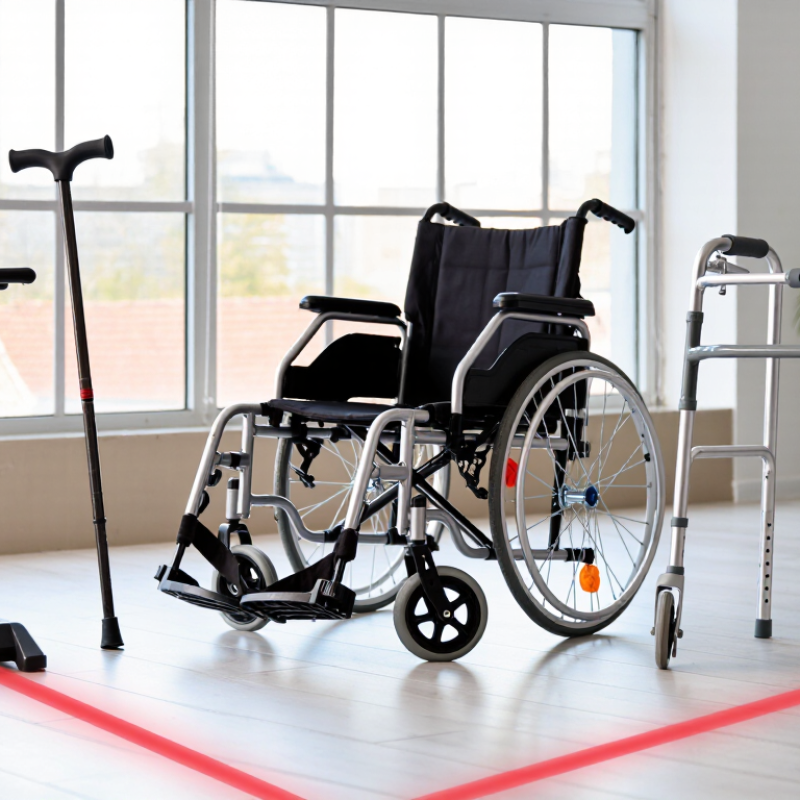
Parkinson’s can affect the timing and size of movements, which may change how a person walks. Steps can become shorter, feet may shuffle, and turning can take extra effort. Some people experience freezing: their feet seem stuck, often near a doorway or when changing direction. Balance may also feel less reliable, especially when standing up or walking while talking. These changes vary from person to person and from day to day. That can feel sudden.
Walking is not only about leg strength. Parkinson’s can make it harder to start moving, adjust stride length, or respond quickly to a bump or uneven pavement. Fatigue, medication timing, and crowded surroundings may add challenges. A person might walk steadily across a quiet room, then hesitate at a busy crossing. Small details matter. I used to think a walking aid was simply extra support; that misses how movement cues and safe turning can matter just as much.
The right aid depends on the person’s walking pattern, posture, hand control, vision, and home environment. A physical therapist or qualified clinician can observe turns, doorways, and transfers before recommending equipment. A cane may not help someone whose main difficulty is freezing or balance, while some walkers require coordination and practice. No aid removes every risk. Ask for a supervised trial, and check that the device fits the user and works in tight spaces at home.
A cane may suit someone with mild balance changes who can still walk steadily and use one hand comfortably. A single-point cane offers light support, while a quad cane has a broader base but may feel slower to place. Fit matters: the handle should sit near wrist height when the person stands upright. A cane is not automatically safer for freezing episodes.
Some people use a standard walker for added stability. Its fixed frame can feel secure, but lifting it with every step takes coordination and strength. A wheeled rollator moves more smoothly and often includes a seat for rests. Yet rolling forward may be difficult to control, especially when turning or walking through a crowded kitchen. Small doorways matter.
Specialized Parkinson’s walkers may add visual or sound cues, such as a projected line or rhythmic prompt. These cues can help some people restart a step during freezing, but responses vary. A cue that works at home may distract someone outside. Worth testing carefully. A physical therapist can observe turns, doorway crossings, and transfers before recommending equipment. Bring the actual aid to appointments when possible; a hallway trial may miss the uneven rug or tight bathroom corner that causes trouble. No device fits every day perfectly.
For 2026, compare walking aids by how they handle real daily routines, not by appearance alone. Parkinson’s symptoms can vary, so a person may need different support on a tired afternoon than during a steady morning. Consider where the aid will be used: narrow hallways, pavement, or crowded shops. A wide frame may feel stable but catch on chair legs. Small details matter.
Check the aid’s weight, height adjustment, handle grip, and brake design. Brakes should be reachable without a strong squeeze, and the frame should feel steady during turns. If freezing or difficulty starting is a concern, ask a physical therapist whether visual or rhythmic cues could help; these features do not suit everyone. A seat can help during longer outings, but test how easily it folds and whether it adds too much weight. There is no perfect choice. I would not judge one from a short showroom walk alone.
Tips: Try the aid on the surfaces you use most, including a doorway and a tight turn. Wear usual shoes. Check the brakes, then practice stopping and sitting with a clinician or trained professional nearby. If it feels awkward, pause and reassess. A small mismatch can become tiring.
The best walking aid is the one that fits a person’s movement patterns, home, and daily routines. Parkinson’s symptoms can change from day to day, so a device that feels steady in a clinic may feel awkward in a crowded kitchen. Notice when balance worsens, whether feet freeze at doorways, and how far the person usually walks.
A physical therapist or occupational therapist can assess gait, turning, hand strength, and the ability to manage brakes. A cane may suit someone who needs light support and can place it reliably. A wheeled walker may offer more stability, but it requires safe steering and brake use. Some people benefit from visual or rhythmic cues when starting to walk; these should be practiced with a clinician. Small details matter. Can the aid pass through the bathroom door? Is it easy to fold for transport? Test it on familiar routes, not just a smooth hallway.
Fit matters, too. Handles should allow a comfortable upright posture, and the device should not encourage leaning far forward. Practice turning, stopping, and sitting down before using an aid outdoors. There may be a learning curve. If the person feels more hesitant or trips more often, pause and ask a rehabilitation professional to reassess the setup. Needs can shift as symptoms, medication timing, or confidence changes. A useful aid is not a sign of failure; it is one part of a safer daily plan.
| Walking Aid | May Suit | Potential Advantages | Considerations | Everyday Use |
|---|---|---|---|---|
| Single-point cane | People who need light support on one side and can walk safely without a wider base of support. | Lightweight, portable, and relatively easy to store. Can provide a contact point and help with balance for some users. | Offers less support than a walker. It may not be suitable when balance is significantly impaired or freezing episodes are frequent. Correct height and technique matter. | Convenient for short walks and errands when a clinician has confirmed that a cane is appropriate. |
| Quad cane | People who need a cane with a broader base and can manage its placement while walking. | Stands upright on its base and provides more contact with the floor than a single-point cane. | The wider base can catch on rugs or narrow spaces. Moving it requires coordination, and it does not provide the same support as a walker. | May be useful indoors or for short distances, depending on the user’s walking pattern and environment. |
| Standard walker (no wheels) | People who need substantial support and can lift and advance the walker safely. | Provides a stable frame when all legs are planted on the floor. | Requires lifting with each step, which can be difficult with reduced strength, fatigue, or coordination problems. Pushing it forward without lifting may cause it to move unexpectedly. | Often more practical for short indoor distances on level flooring than for long outings. |
| Two-wheel walker | People who need more support than a cane but have difficulty lifting a standard walker. | Front wheels allow the walker to move forward without being lifted completely at every step; rear legs remain in contact with the floor. | Requires practice to coordinate steps and turns. It may be harder to use on uneven surfaces, thresholds, or stairs. | Can be considered for indoor walking on reasonably even floors after a fit and safety assessment. |
| Four-wheel rollator | People who can steer and control a rolling aid, use its brakes reliably, and benefit from a built-in seat for rest breaks. | Usually easy to propel; commonly includes hand brakes, a seat, and a basket or pouch. | It rolls freely and may move away if the brakes are not used correctly. It may not provide enough stability for someone who leans heavily on a walking aid. A seat is for resting, not for sitting while moving. | May suit community outings and longer walks when the user can manage brakes, turns, and transfers safely. |
| Walker with visual or rhythmic cueing features | Some people who experience freezing of gait or difficulty initiating steps, if the cueing method works for them. | Visual lines or rhythmic cues can provide an external prompt to step for some individuals. Response varies from person to person. | Cueing does not work for everyone and does not remove fall risk. Features, setup, and practice should be assessed by a physical therapist or other qualified clinician. | Try cueing in a supervised setting before relying on it at home or outdoors, especially in doorways or crowded spaces. |
Choosing safely: Parkinson’s symptoms and walking ability can vary over the day. A physical therapist or other qualified clinician can assess balance, freezing, turning, posture, strength, hand function, and the places where the aid will be used. The table is general information and is not a substitute for an individual assessment.
For Parkinson’s, the right walking aid depends on balance, freezing, strength, and where it will be used. A physical therapist can assess turns, doorways, and transfers before recommending a cane or walker. Fit matters. With shoes on and arms relaxed, handle height should generally allow a slight elbow bend; a clinician should confirm the fit and check the device’s stability.
Allen and colleagues’ 2013 systematic review in Parkinson’s Disease estimated that about 60% of people with Parkinson’s had fallen, and roughly 39% had recurrent falls. These figures describe fall risk, not the effectiveness of any particular aid. Practice helps. Rehearse standing, starting, stopping, and turning on a clear, level floor, ideally with a therapist nearby. If freezing occurs, rushing or pulling hard on the aid may make movement less safe. Visual or verbal cues can be practiced with professional guidance.
Use the aid consistently in situations identified during assessment, including low-light hallways or uneven paths. Before each walk, check that tips are secure and any walker brakes work. Review fit after changes in posture, footwear, strength, or medication routine. Not perfectly. Some days feel less steady, and that deserves a fresh check-in with the care team—not a reason to keep using an aid that no longer feels safe.
How to read this chart: With your hand resting on the handle and your arm relaxed at your side, a slight elbow bend—commonly described as about 15–30°—is a general fitting cue for walking aids. The bars show a fitting range, not a comparison of device effectiveness.
Handle height and aid choice should be checked by a physical or occupational therapist, especially if balance, posture, or freezing of gait is a concern. Practice turning, starting, and stopping with supervision when needed. This general guidance is not a substitute for individual assessment.
A cane may help with mild balance changes when walking remains steady. A single-point cane offers light support; a quad cane has a wider base but may take longer to place. The handle should sit near wrist height when standing upright. A cane is not automatically safer during freezing episodes.
A standard walker has a fixed frame that can feel secure, but it must be lifted with each step. This takes coordination and strength. A wheeled walker rolls more smoothly and may include a seat. Steering and braking can be harder in a crowded kitchen or during turns.
Some specialized walkers provide a projected line or rhythmic prompt to help restart a step. Responses vary. A cue that helps at home may distract outdoors, so practice it with a clinician. Not a guaranteed fix.
A physical or occupational therapist can assess walking, turning, hand strength, transfers, and brake use. Bring the actual aid when possible. A smooth hallway may not reveal trouble with an uneven rug or tight bathroom corner.
Try it on familiar routes. Check whether it passes through the bathroom doorway and folds easily for transport. Small doorways matter. A hallway trial alone can miss important obstacles.
Practice turning, stopping, and sitting down. Check that the handles support an upright posture without encouraging a forward lean. There may be a learning curve.
Pause and ask a rehabilitation professional to reassess the setup if hesitation or trips increase. Symptoms, medication timing, and confidence can change, so needs may shift too. Don’t just push through.
No. An aid can be one part of a safer daily plan. The right choice depends on movement patterns, home layout, and routines. No device fits every day perfectly.
This guide explores how Parkinson’s can affect walking, balance, stride length, and confidence, and explains how a suitable walking aid may support safer movement. Can walking aids improve mobility for Parkinson's patients? The answer depends on each person’s symptoms, environment, strength, and daily activities. Options may include canes, standard or wheeled walkers, and devices with features designed to help users manage freezing or maintain a steady rhythm.
When comparing aids in 2026, consider stability, weight, adjustability, ease of use, portability, and suitability for indoor and outdoor settings. Choosing the right aid should reflect individual mobility needs and be discussed with a healthcare professional, such as a physical therapist. Proper fitting, supervised practice, and regular reassessment can help users build confidence and use an aid safely as their needs change.

Avelar Medical