In modern healthcare, medical carts play a pivotal role in streamlining diagnostic processes. Customization is key, particularly when addressing various diagnostic tools. Dr. Sarah Thompson, a renowned expert in healthcare equipment design, emphasizes, "A tailored medical cart can enhance workflow and improve patient outcomes." This highlights the importance of aligning cart features with specific tools.
When considering how to customize a medical cart for specific diagnostic tools, it’s crucial to understand both the tools' requirements and the medical environment. Each diagnostic tool can have different logistical needs. For instance, imaging devices require ample space and easy access. Additionally, the cart must support the weight and dimensions of these tools. This customization is not merely about aesthetics; it’s about functionality and efficiency in high-stress medical settings.
Customization may raise challenges. Sometimes, finding the right configuration can be difficult. There's potential for overcomplication in design choices, which can lead to user confusion. Continuous feedback from healthcare professionals helps refine the customization process, ensuring it meets real-world demands effectively. Reflecting on these elements is vital to achieving the optimal utility of a medical cart tailored for specific diagnostic tools.
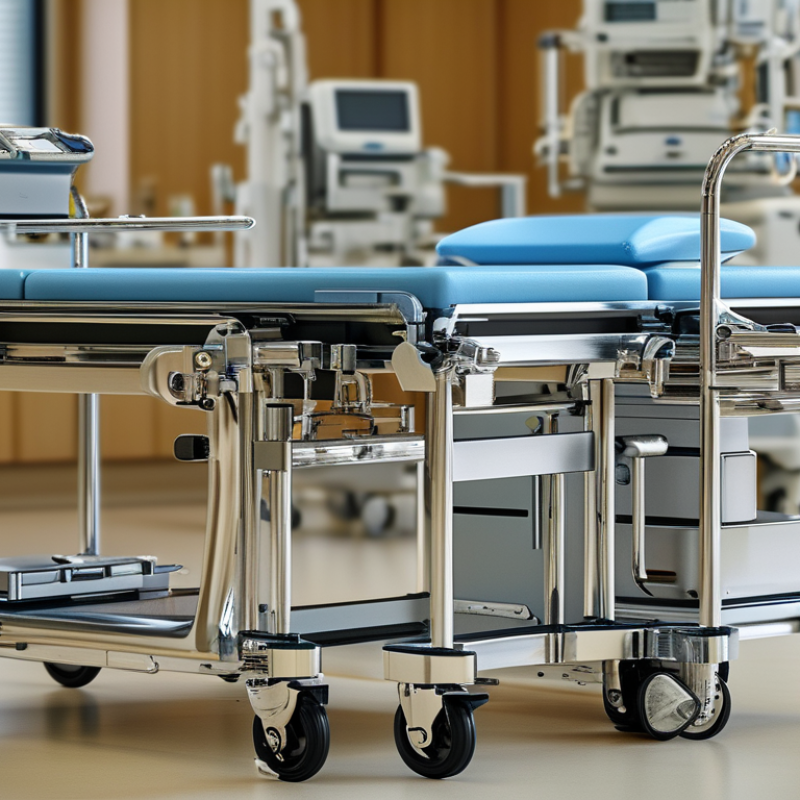
Customized medical carts play a crucial role in modern diagnostics. They hold essential tools, streamline workflows, and improve patient care. A well-organized cart saves precious time during medical procedures. When every second counts, having the right tools within reach can make a significant difference.
Tips for customizing your medical cart include evaluating your specific diagnostic needs. Assess the types of tools you use most frequently. This helps you determine which items should be the most accessible. Consider the layout and ensure that everything is logically arranged. Placing the most-used tools in the front makes retrieval effortless.
Don't forget to involve your team in the customization process. Their insights can help you identify any gaps in the tools currently available. Regularly review your cart’s organization, as it may not always work optimally over time. Adapt based on changing needs and feedback from staff to maintain efficiency. This ongoing reflection is essential for continuous improvement.
When customizing a medical cart, selecting the right diagnostic tools is crucial. Hospitals increasingly use mobile medical carts. According to a recent report, nearly 68% of healthcare providers believe that having the right tools on hand improves patient care. This statistic highlights the importance of accessibility to essential equipment.
When selecting diagnostic tools, consider the specific needs of your department. Different departments require different instruments. For example, a cardiology unit might focus on ECG monitors and telemetry devices. In contrast, an emergency department may prioritize portable oxygen and IV delivery systems. Flexibility in tool selection impacts how quickly healthcare staff can respond to patient needs.
It's vital to evaluate existing workflows when choosing tools. Some diagnostic instruments may not fit well with established procedures. Disruptions can lead to delays in treatment. Striking a balance between efficiency and utility is necessary. Regular feedback from staff can provide insight into what tools are most effective. This iterative process helps create a cart that truly serves its purpose in a dynamic healthcare environment.
Creating an optimal layout for medical carts is crucial for efficiency in diagnostics. Start by assessing the specific tools needed for various procedures. Group similar items together. For example, place imaging tools near diagnostic monitors. This reduces the time spent searching and allows for swift decision-making.
Consider the size and weight of each tool when arranging them. Heavier items should be placed at the bottom or at a height that reduces strain during use. Use clear labeling for quick identification; this can save precious moments during critical situations. Additionally, leaving some space for frequently used items ensures easy access without clutter.
Reflection on your current setup can reveal areas needing improvement. Perhaps certain tools are misplaced, leading to delays. Regularly reassess the cart’s organization. Engage staff in discussions about their needs. This collaborative approach can foster a more effective layout tailored to daily routines, promoting a culture of continuous improvement in patient care.
Modern medical carts are essential for enhancing efficiency in healthcare settings. Integrating smart technology into these carts can significantly improve their functionality. One feature to consider is a digital display. This can provide real-time patient data, medication reminders, or quick access to medical references. Such a display saves time and minimizes errors in fast-paced environments.
Another useful addition is an electronic charting system. This allows healthcare professionals to document treatments on-the-go, ensuring accurate and up-to-date patient records. A cart equipped with wireless connectivity can enable immediate synchronization with hospital databases. This fosters collaboration among medical staff and enhances patient care.
**Tips:** Ensure the cart has adequate power sources for devices. Obsolete ports can hinder connectivity. Regularly assess the usability of features. Feedback from healthcare workers is crucial in optimizing the cart's design. Not all technologies integrate seamlessly. Some may require adjustments over time to meet evolving needs.
Customizing medical carts for diagnostic tools requires not just careful design but ongoing maintenance and updates. A study published by the Journal of Healthcare Engineering emphasizes that up to 70% of medical devices fail to meet user needs over time due to lack of updates. This highlights the necessity of regularly reviewing and refining your medical cart features.
Regular inspections are essential. They help identify wear and tear that can compromise functionality. According to data from the Institute of Medicine, 90% of healthcare providers believe that maintaining equipment reliability enhances patient care. Ensuring that diagnostic tools are securely stored and easily accessible can significantly reduce errors in patient treatment. Moreover, engaging staff in the maintenance process fosters a culture of accountability.
Updating carts to align with the latest clinical guidelines is also crucial. The Center for Disease Control and Prevention recommends revisiting equipment design and arrangements every two years. This ensures that the carts keep pace with evolving healthcare practices. Feedback from frontline staff can also reveal gaps in current configurations. Customize these carts not just to improve efficiency but to enhance safety in patient care.
| Dimension | Recommended Value | Description |
|---|---|---|
| Height | 36 - 42 inches | Optimized for user accessibility without bending. |
| Width | 24 - 30 inches | Allows easy maneuverability in narrow spaces. |
| Depth | 18 - 24 inches | Sufficient space for diagnostic tools without clutter. |
| Weight Capacity | 250 - 350 lbs | Supports a variety of equipment and supplies safely. |
| Drawer Configuration | 2 - 5 Drawers | Flexibility for organizing different tools and supplies. |
| Material | Stainless Steel / High-Density Polyethylene | Durable and easy to clean materials for hygiene. |
| Mobility | Swivel Casters | For enhanced maneuverability in diverse environments. |
| Power Supply | Integrated Battery/Rechargeable | Ensures availability of power for electronic diagnostic tools. |
: The right tools improve patient care by ensuring accessibility to essential equipment.
Different departments require specific instruments. For example, cardiology focuses on ECG monitors.
Flexible tool selection allows healthcare staff to respond more quickly to patient needs.
Some tools may disrupt established procedures, causing delays in treatment.
Staff insights can identify which tools are most effective, refining the cart’s purpose.
Up to 70% of medical devices fail to meet needs due to lack of updates.
Inspections identify wear and tear that can compromise functionality and safety.
The CDC recommends revisiting designs every two years to align with healthcare practices.
It fosters accountability and ensures tools are reliable and effective in patient treatment.
Update carts regularly to improve efficiency and meet evolving clinical guidelines.
Customizing medical carts for specific diagnostic tools is crucial for enhancing efficiency and patient care in healthcare settings. To achieve this, it is essential to understand the importance of tailored medical carts that align with the unique needs of diagnostic procedures. Key considerations should include the selection of appropriate diagnostic tools based on the specific functions they serve, ensuring that the setup maximizes accessibility and usability in fast-paced environments.
Optimal layout strategies play a significant role in organizing medical equipment on carts effectively, allowing healthcare professionals to work seamlessly. Additionally, integrating smart technology can substantially enhance the functionality of medical carts, providing features that support workflow and data management. Lastly, implementing best practices for the maintenance and regular updating of custom medical carts ensures that they remain functional and relevant, ultimately leading to improved healthcare outcomes. This comprehensive approach answers the question of how to customize a medical cart for specific diagnostic tools, making it an invaluable asset for healthcare providers.

Avelar Medical