Top 10 Reasons Some Walking Aids Have Wheels and Others Don't?

Time:2026-06-26 Author:Henry
0%

Walking aids play a crucial role in enhancing mobility for individuals with physical challenges. Their design varies significantly, raising an interesting question: Why do some walking aids have wheels while others don't? This distinction can influence user experience, safety, and convenience.

Some aids provide stability through a solid base, ideal for those needing support while standing. Others with wheels offer increased mobility, allowing users to move swiftly. The choice often depends on individual needs and physical abilities. Users may reflect on their preferences, requiring guidance to make informed decisions. Understanding these differences is vital as each design serves specific purposes.

Examining the features and functions of walking aids reveals the complexity behind their designs. Users must weigh factors such as comfort, safety, and environment. Finding the right aid should be a thoughtful process, requiring careful consideration of all options available.
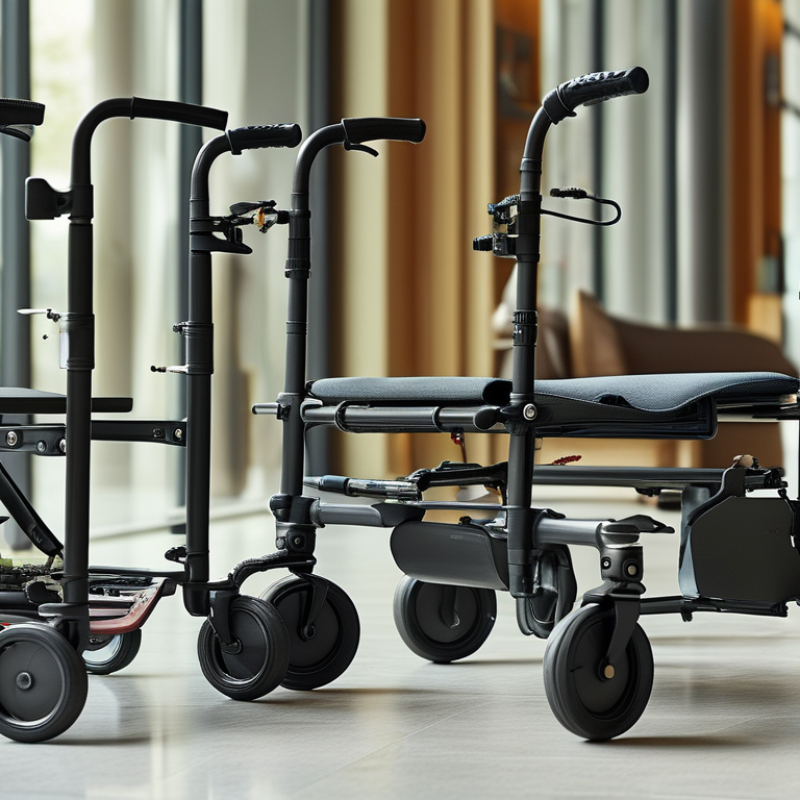
Top 10 Reasons Some Walking Aids Have Wheels and Others Don't?

Benefits of Walking Aids with Wheels for Mobility Improvement

Walking aids with wheels offer significant benefits for those seeking mobility improvement. These devices often enhance stability and make movement less strenuous. For individuals with balance issues, a wheeled aid can provide crucial support. The wheels allow smoother transitions across various surfaces, whether indoors or outdoors.

Using walking aids with wheels can also reduce fatigue. This is particularly beneficial during longer walks or outings. A padded handle eases the grip, promoting prolonged use. Many such aids can be adjusted in height. This ensures a comfortable fit for different users. Maintaining a proper posture while walking can lead to a noticeable improvement in mobility.

Tips for users: Always test your walking aid before long outings. Start on flat, stable surfaces before exploring uneven terrain. Ensuring your aid is at the right height is crucial. It can prevent discomfort and enhance balance. Regularly checking the wheels for wear can help maintain safety. Small adjustments could make a big difference in your mobility experience.

Benefits of Walking Aids with Wheels vs. Without Wheels

Advantages of Walker Designs Without Wheels for Stability and Safety

Walker designs without wheels offer notable advantages in terms of stability and safety. For many users, especially the elderly, the primary concern is preventing falls. A walker without wheels provides a solid base. Users can firmly plant it on the ground, ensuring it won't slide unintentionally. This design increases confidence, as every step feels secure.

Additionally, these walkers encourage better posture and movement. Without the risk of a wheel rolling away, users can focus on their form. They can shift their weight more easily between the walker and their legs. This promotes a more natural walking motion. The risk of injury decreases as a result. Some may argue that wheels offer convenience, but the peace of mind from a non-wheeled design is invaluable.

However, it’s crucial to recognize that a non-wheeled walker requires more physical effort. Users must lift and place the device with each step, which can be tiring. This design may not suit everyone. Yet, for those prioritizing stability, it proves an essential tool. Understanding these intricacies is key for making informed decisions about mobility aids.

Factors Influencing the Choice Between Wheeled and Non-Wheeled Aids

When choosing between wheeled and non-wheeled walking aids, several factors come into play. One of the primary considerations is mobility needs. For individuals who require more support and balance, non-wheeled aids may provide a sense of security. These aids allow users to plant them firmly on the ground, evitando unintentional movement. However, for those with greater mobility challenges, wheeled aids can offer an easier option. They help minimize the effort required to move forward.

Another factor influencing this decision is the environment. In urban settings with smooth sidewalks, wheeled aids perform best. They glide effortlessly, making walks more manageable. In contrast, situations with rough terrain or tight spaces may warrant a non-wheeled option. The terrain can heavily influence the user's comfort and safety. Personal preferences also matter; some may fear losing control with wheels. Others, however, appreciate the convenience they bring.

The user’s physical condition plays a critical role too. A person with limited upper body strength may struggle to lift a non-wheeled aid. They might find a wheeled alternative more suitable. Also, varying levels of experience with mobility aids can introduce complexities. Beginners may need time to adapt to wheeled aids. Each choice comes with its own set of challenges and advantages. Understanding one’s specific situation is key.

User Needs and Preferences: Assessing the Right Type of Walking Aid

When choosing a walking aid, users must consider their specific needs. Some individuals require stability over mobility. For example, those with balance issues might prefer a frame with no wheels. The added safety of a stationary aid can provide confidence. In contrast, active users may benefit from wheeled walkers. These allow for smoother movement and faster navigation in busy spaces.

Assessing user preferences is essential in selecting the right aid. Comfort and ease of use play a significant role. Some may find traditional models cumbersome, leading to frustration. Others may feel constrained by wheeled options. It is crucial to test different models to identify what feels right. Listening to user feedback is also vital. This should guide design decisions, aiming for better functionality in real-life situations. The best choice often lies in finding that balance between support and independence.

The Role of Terrain and Environment in Walking Aid Selection

When choosing a walking aid, terrain and environment play a crucial role. Different settings demand different types of support. For example, a smooth indoor surface can work well with a walker without wheels. However, uneven terrain, such as cobblestone streets, often requires devices with wheels for stability and ease of movement. Navigating such paths can be challenging, making wheeled aids more favorable.

The environment also influences usability. In urban areas, many encounter curbs and inclines. Users may find that walking aids with wheels provide better balance and maneuverability. In contrast, rural settings might have softer ground or trails, where a sturdy walker without wheels may offer a firmer grip. People should consider their daily routes and environments when making their choices. Reflecting on personal needs and local conditions can guide users toward the most suitable walking aid.

Ultimately, the selection process is not always straightforward. Each setting presents its unique challenges. Users might face moments of frustration when trying different aids. Through experimentation and adjustment, one can find the most effective solution. Understanding terrain and environment can lead to safer and more enjoyable mobility.

Top 10 Reasons Some Walking Aids Have Wheels and Others Don't?

Reason Walking Aid Type Terrain Suitability Mobility Level Environmental Factors
Ease of Mobility Rollator Smooth Pavements Moderate to High Urban Settings
Stability Requirement Walker Uneven Terrain Low to Moderate Rural Areas
Weight of Device Transportable Walker Airports/Travel Moderate Indoor/Outdoor Mixed
User Preference Cane Flat Surfaces Low Home Environment
Balance Support Quad Cane Varied Terrain Low to Moderate Gardens/Parks
Speed and Efficiency Electric Walker Paved Roads High Urban Settings
Portability Folding Walker Travel-Friendly Moderate Various Environments
Adaptability Adjustable Walker Multiple Surfaces Variable Mixed Environments
Safety Features Rollator with Brakes Busy Streets Moderate to High Urban Areas
Cost Considerations Budget Walker Indoor Use Low Home

FAQS

: What are the benefits of walking aids with wheels?

: They enhance stability and reduce fatigue, making movement easier.

How do wheeled walking aids help with transitions?

Wheels allow smoother movement across indoor and outdoor surfaces.

Why is testing a walking aid before use important?

It ensures the aid is safe and effective for the user's needs.

How can I prevent discomfort when using a walking aid?

Ensure your aid is at the right height for comfort and balance.

What should I check regularly on my wheeled aid?

Regularly inspect the wheels for wear to maintain safety.

When might a non-wheeled aid be a better choice?

In rough terrain or tight spaces, non-wheeled aids may provide better control.

How does personal preference affect the choice of walking aids?

Some users may fear losing control with wheels; others enjoy their convenience.

Can my physical condition influence my choice of walking aid?

Yes, limited upper body strength might make wheeled aids more suitable.

What should beginners consider when using wheeled walking aids?

They may need time to adapt and become comfortable with the device.

How does the environment impact the effectiveness of walking aids?

Smooth urban settings favor wheeled aids, while rough terrain may need non-wheeled options.

Conclusion

The article "Top 10 Reasons Some Walking Aids Have Wheels and Others Don't?" delves into the functionality and design distinctions among walking aids. It highlights the benefits of wheeled walking aids, such as enhanced mobility and ease of movement, making them ideal for users who require more freedom while walking. Conversely, the article discusses the advantages of non-wheeled designs, which prioritize stability and safety, particularly for those who need additional support when navigating uneven surfaces.

Furthermore, the choice between wheeled and non-wheeled walking aids is influenced by various factors, including individual user needs, preferences, and specific environmental conditions. Understanding "Why do some walking aids have wheels while others don't?" is crucial, as it allows users to assess their mobility requirements and select the most suitable aid for their lifestyle and terrain.

Henry

Henry

Henry is a dedicated marketing professional with a profound expertise in the company's offerings. With years of experience in the industry, he possesses an impressive understanding of the market dynamics and consumer behaviors that drive success. Henry is committed to sharing his insights through......