Precision engineering tailored for ICU, emergency room, and specialized rehabilitation wards.

Founded in 2003, Shenzhen Avelar Medical Co., Ltd. has established a formidable 21-year legacy of clinical hardware design, R&D innovation, and global supply chain mastery. Based in the technological powerhouse of Pingshan, Shenzhen, and supported by a massive modern manufacturing base in Huizhou, we operate across a combined facility layout exceeding 10,000 square meters.
As an accredited National High-Tech Enterprise, our operational core lies in integrating modern engineering with medical safety principles. We do not simply fabricate medical poles and trolleys; we design life-support infrastructure that meets the rigorous performance indicators demanded by global clinical networks.
Our talent ecosystem features over 100 highly skilled mechanical, industrial, and electrical engineers alongside a workforce managing 200+ advanced manufacturing machines. Through relentless R&D commitment, Avelar Medical has successfully secured over 100 national patents, cementing our leadership in hospital ward modernization, medical ergonomics, and patient safety solutions.
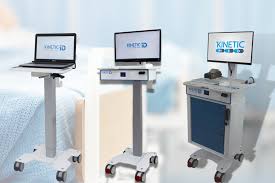
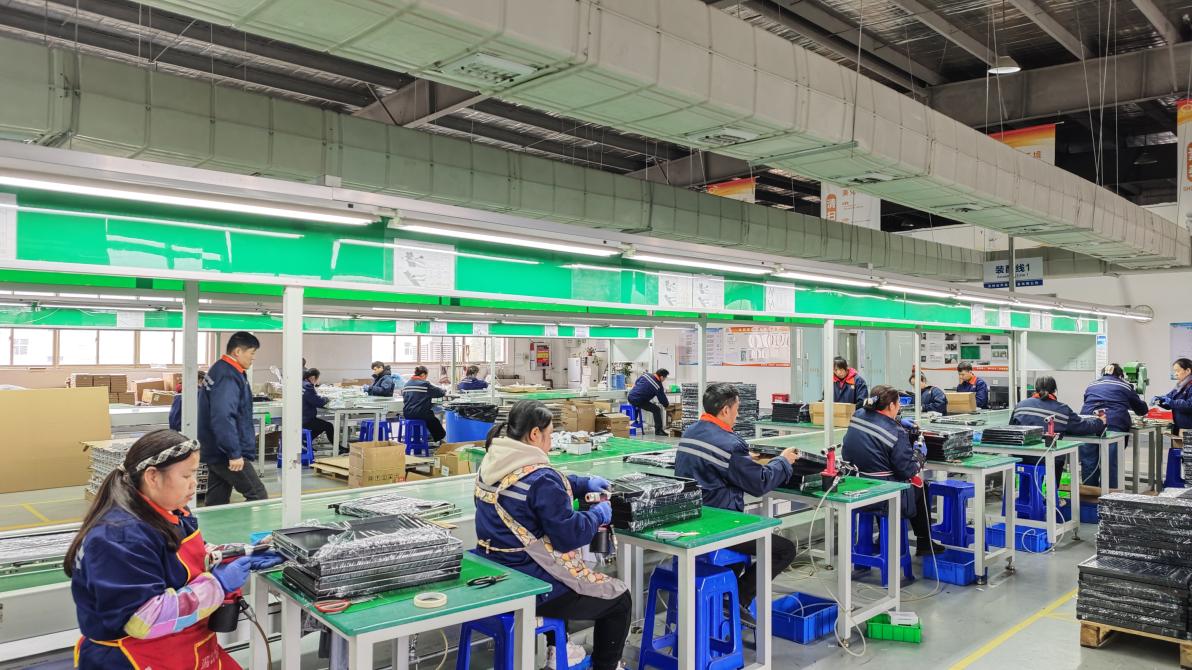
Fully traceable, vertically integrated medical hardware manufacturing process.
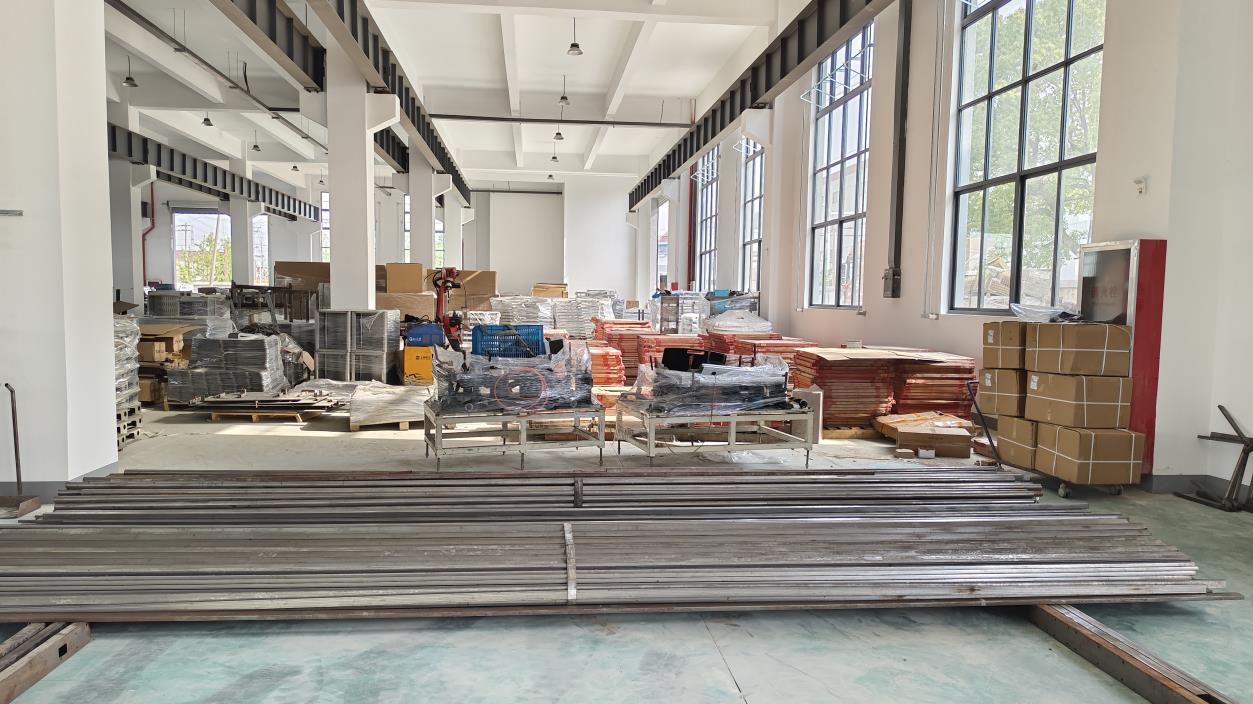
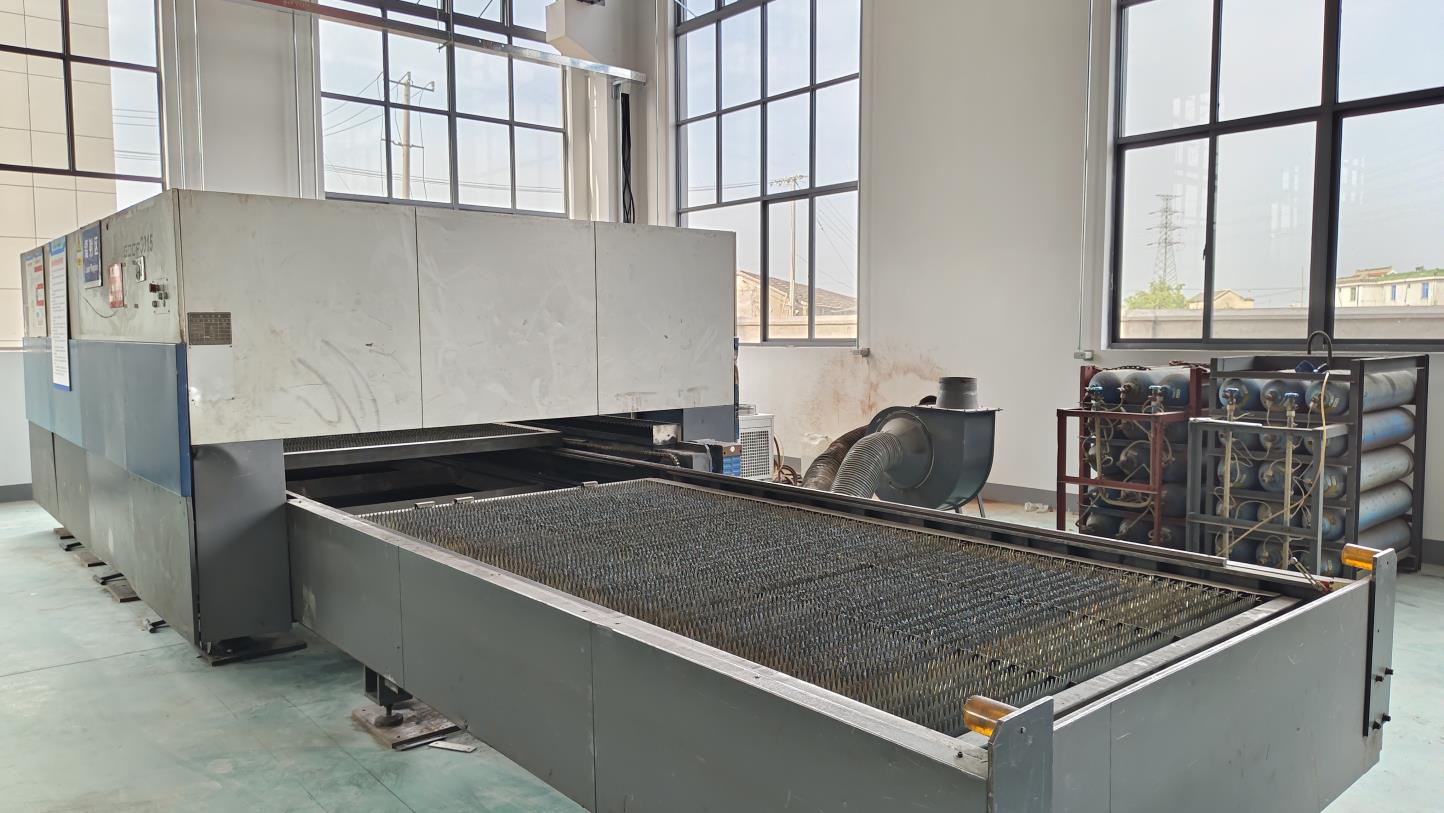
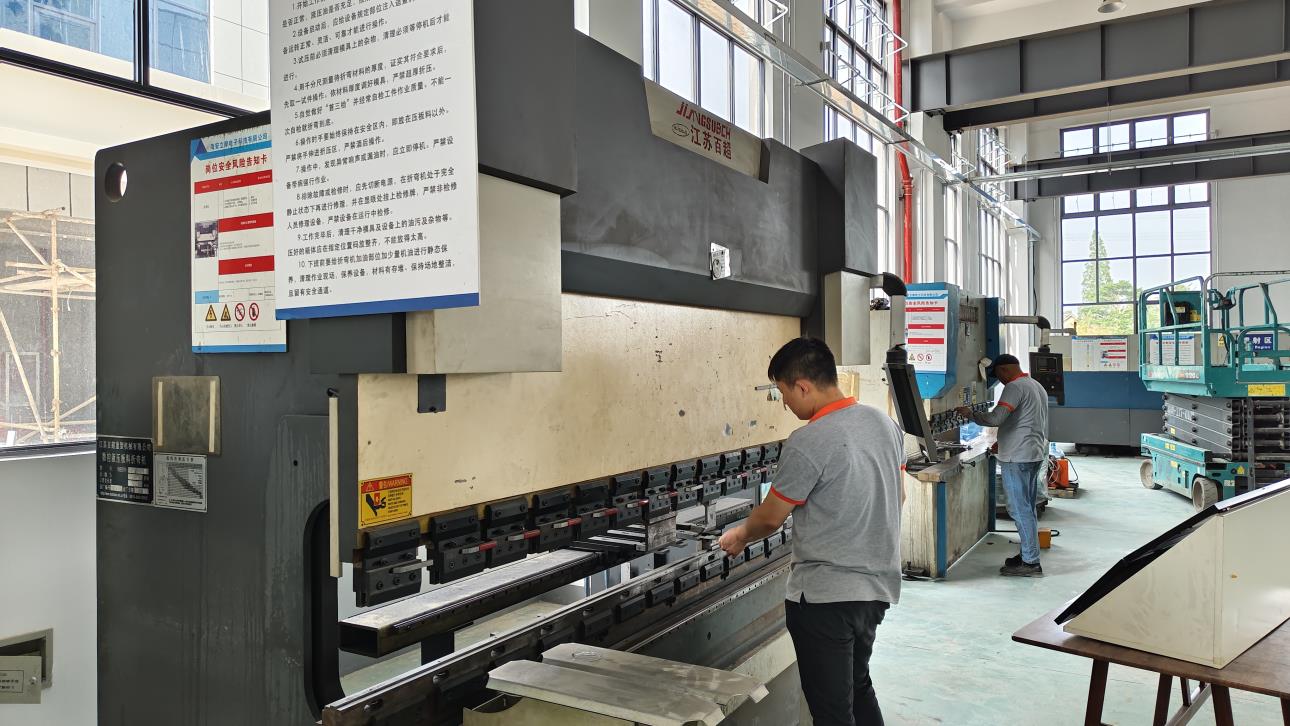
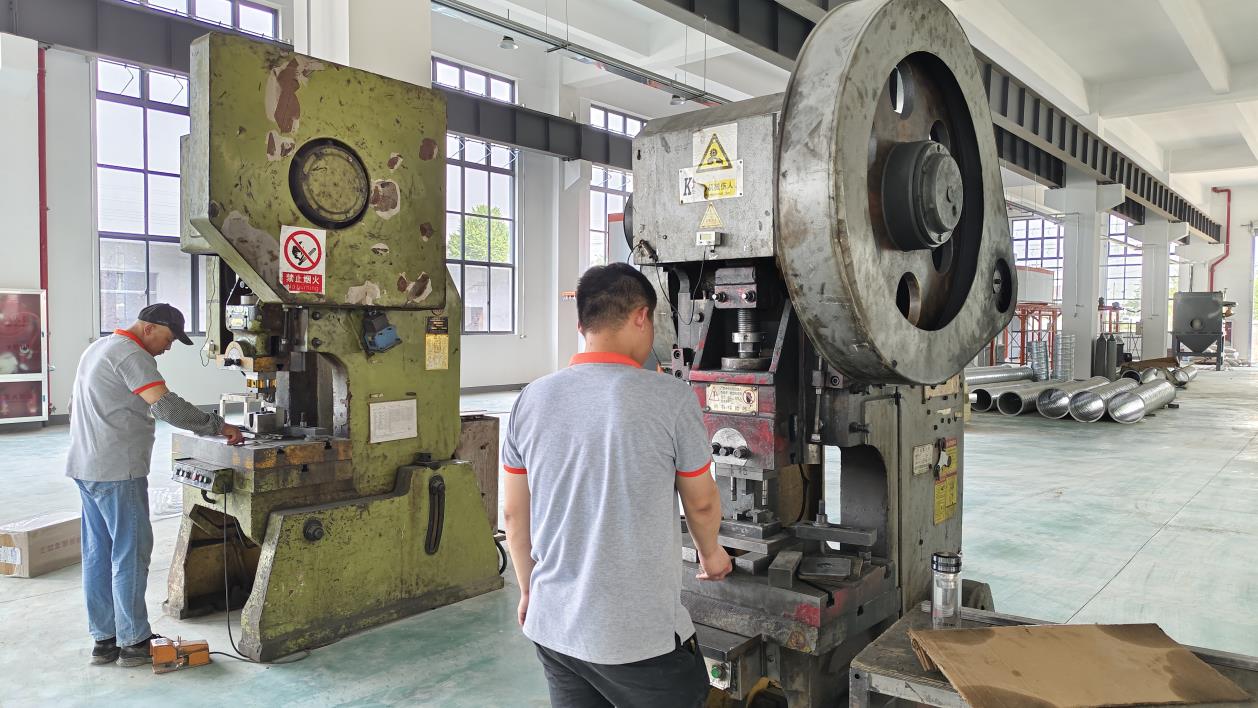
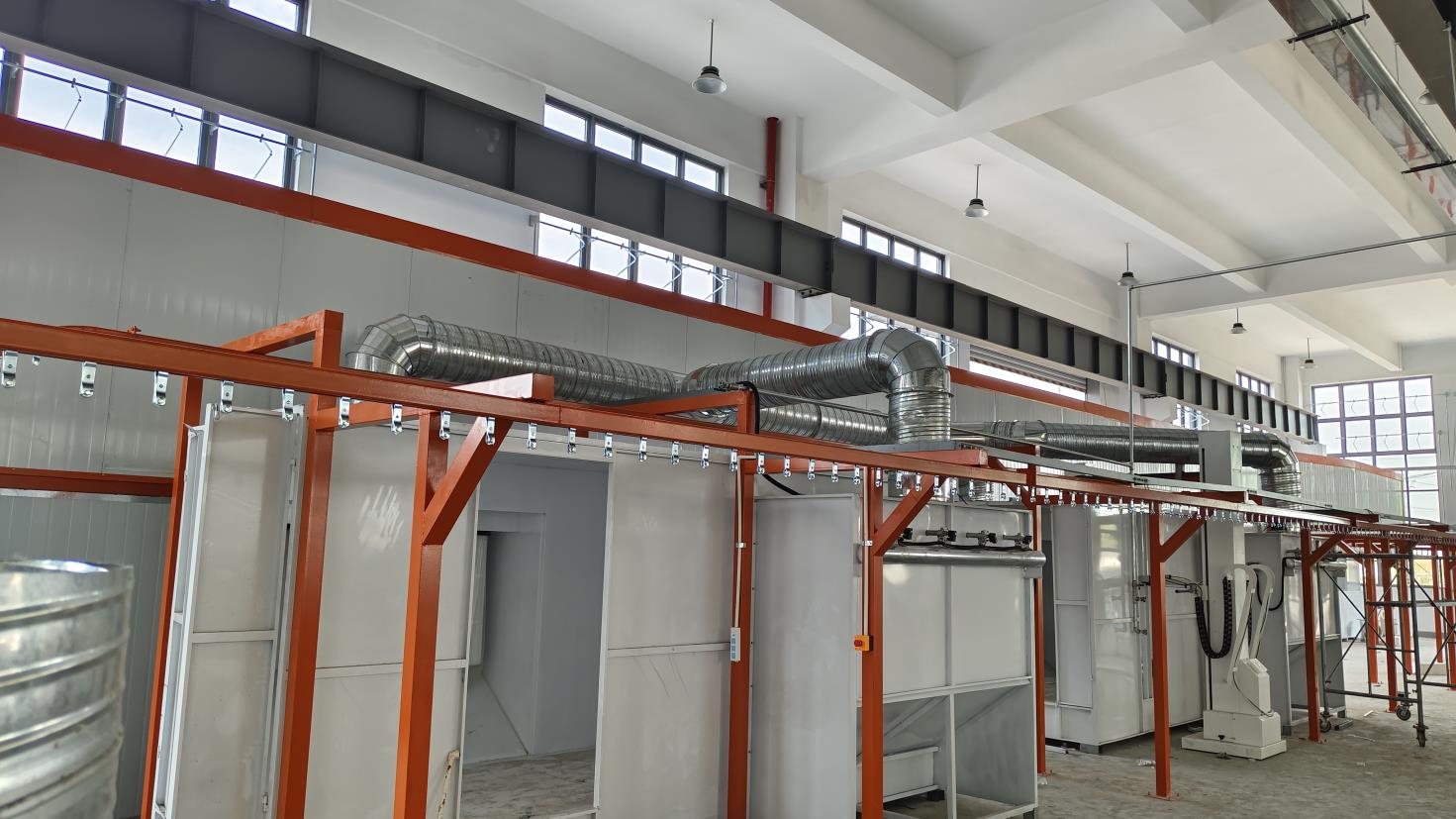
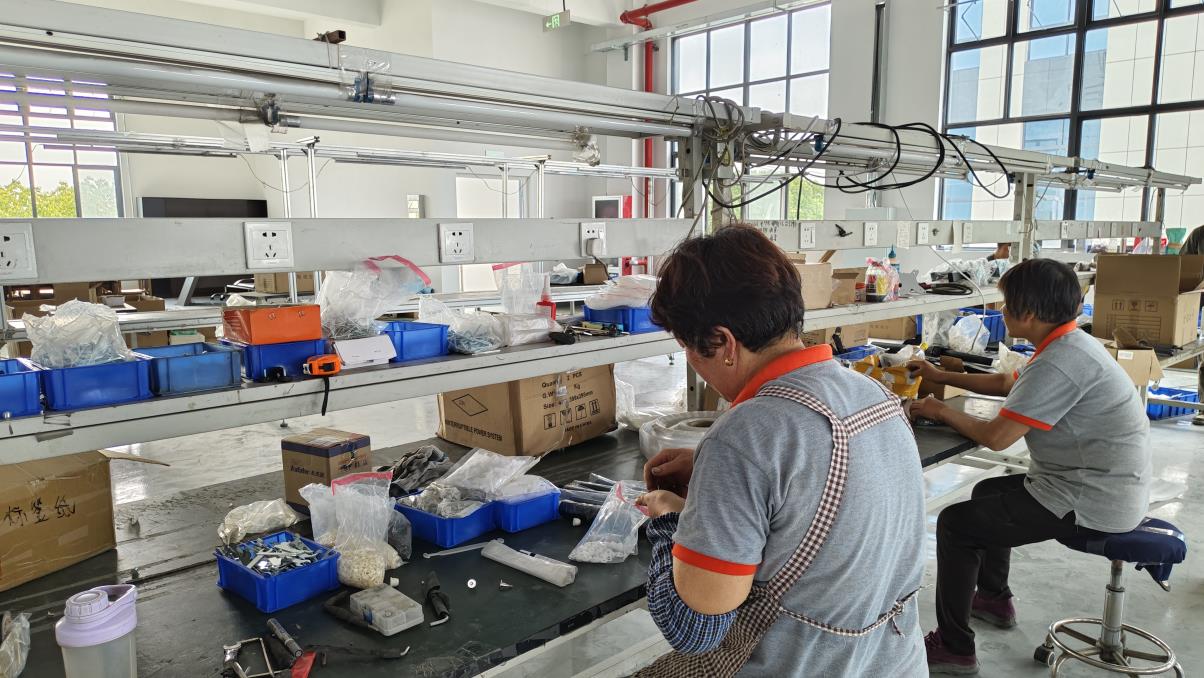
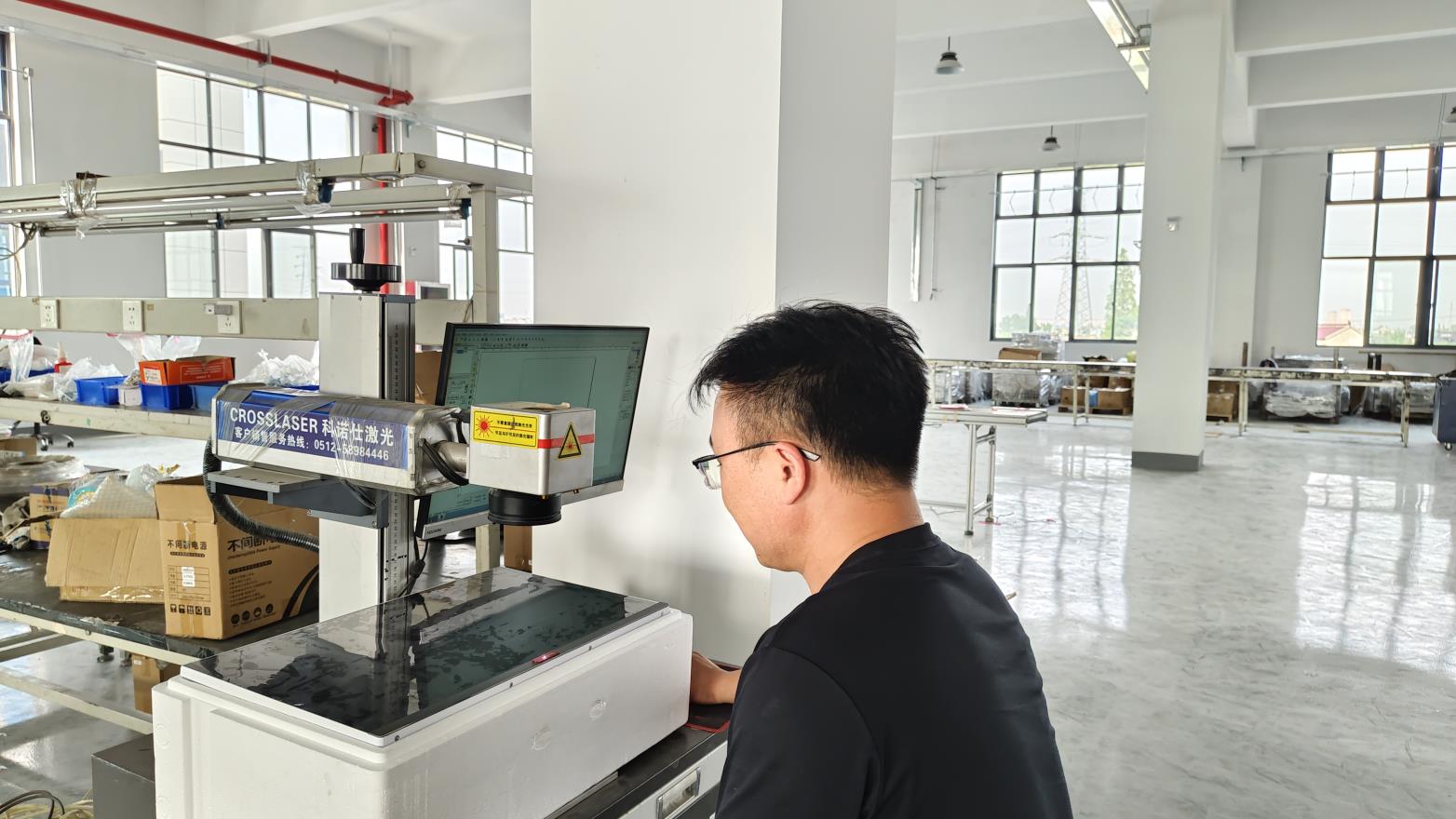
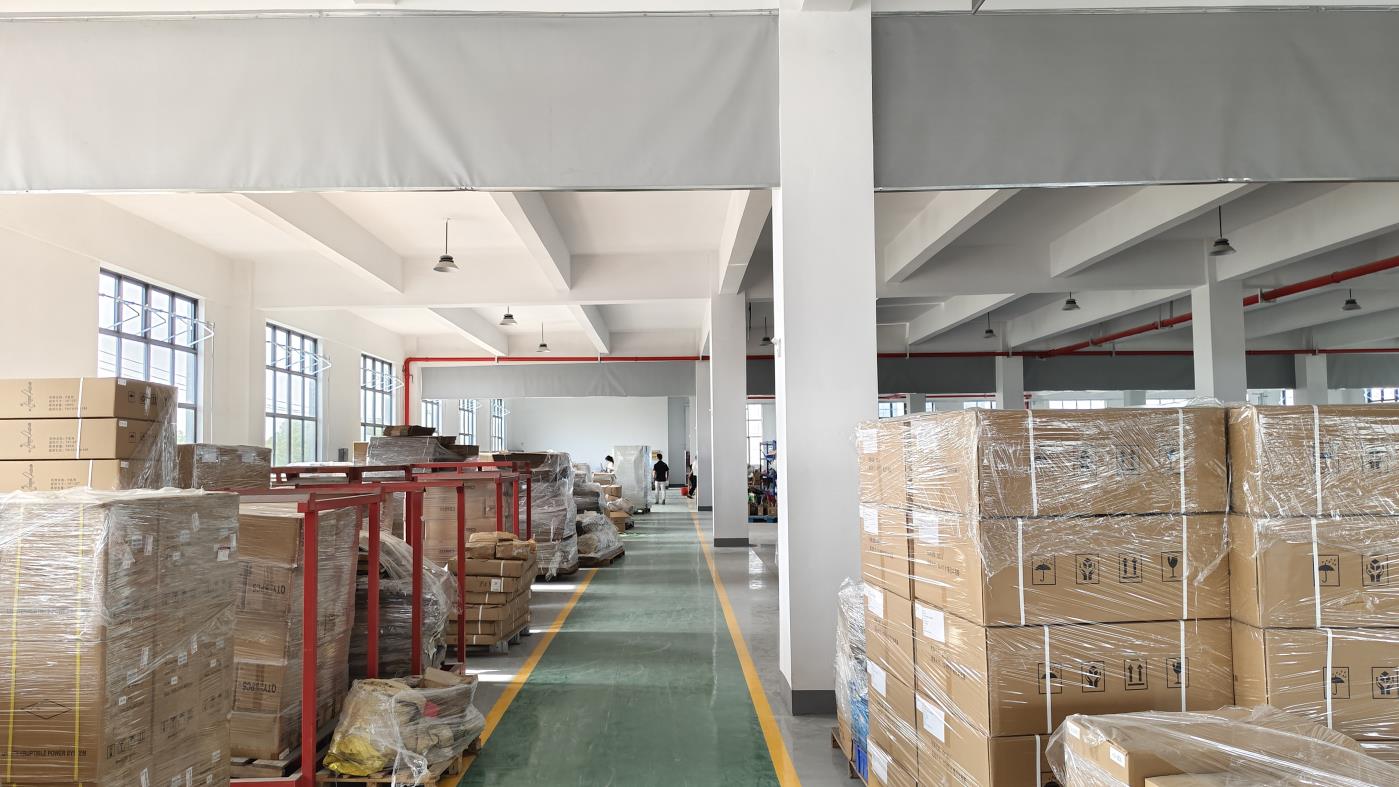
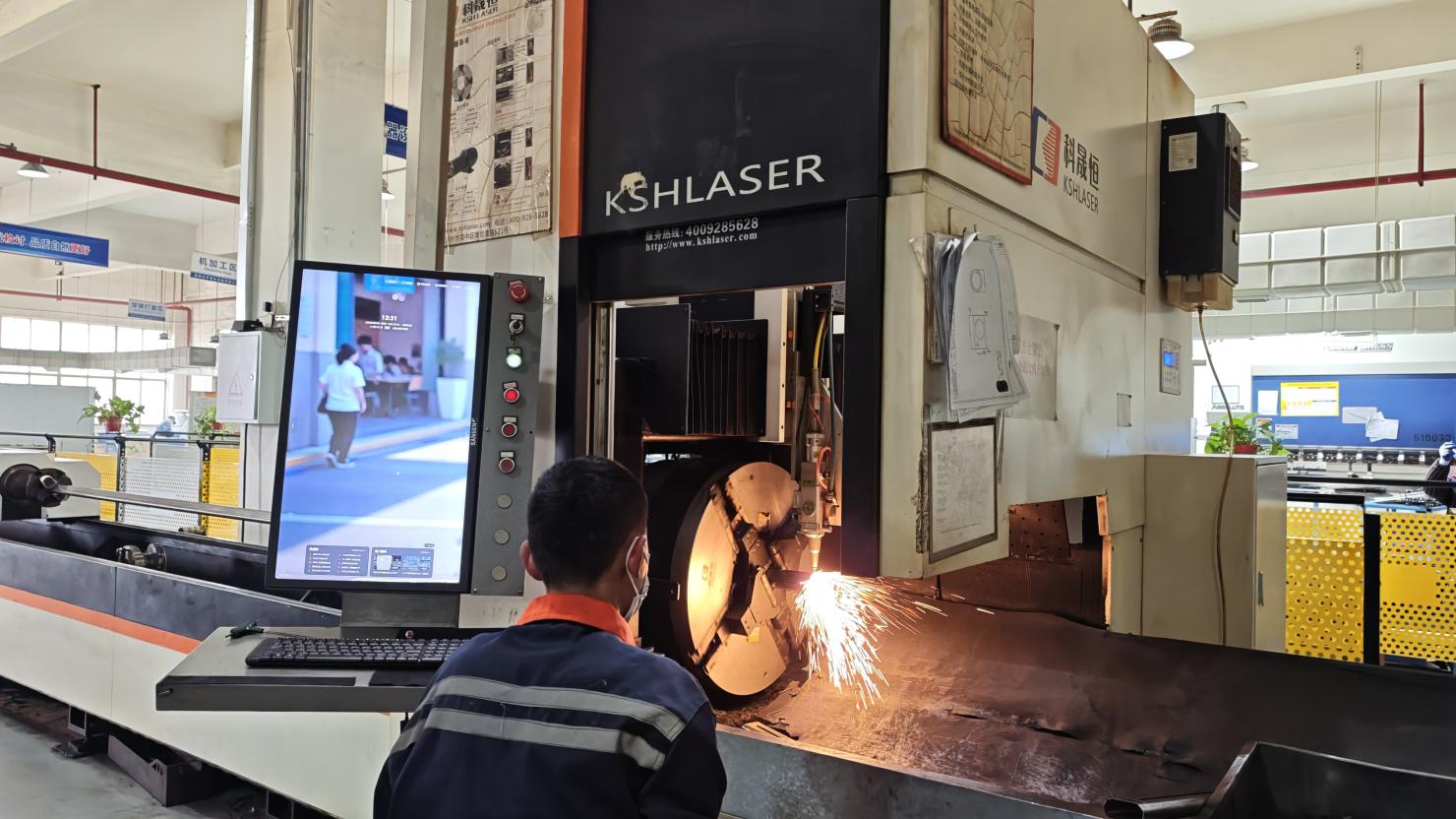
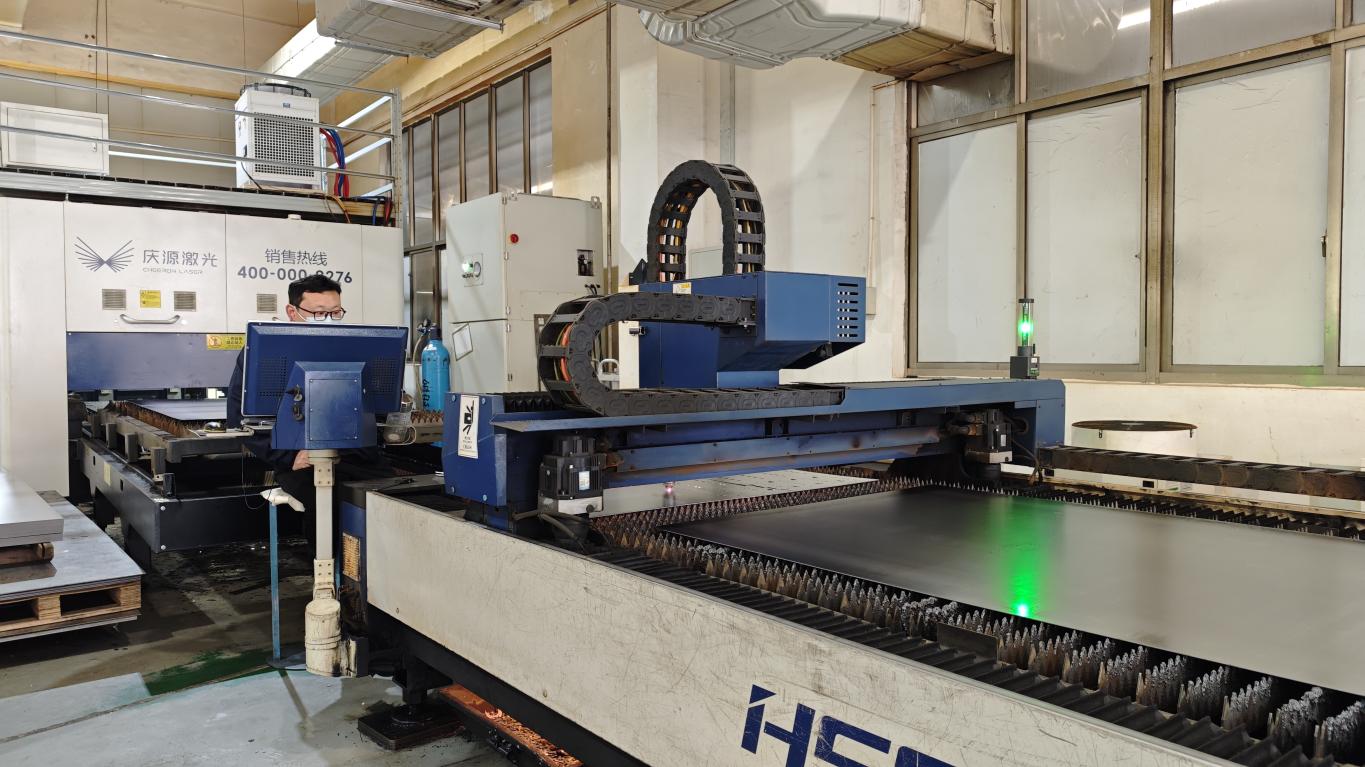
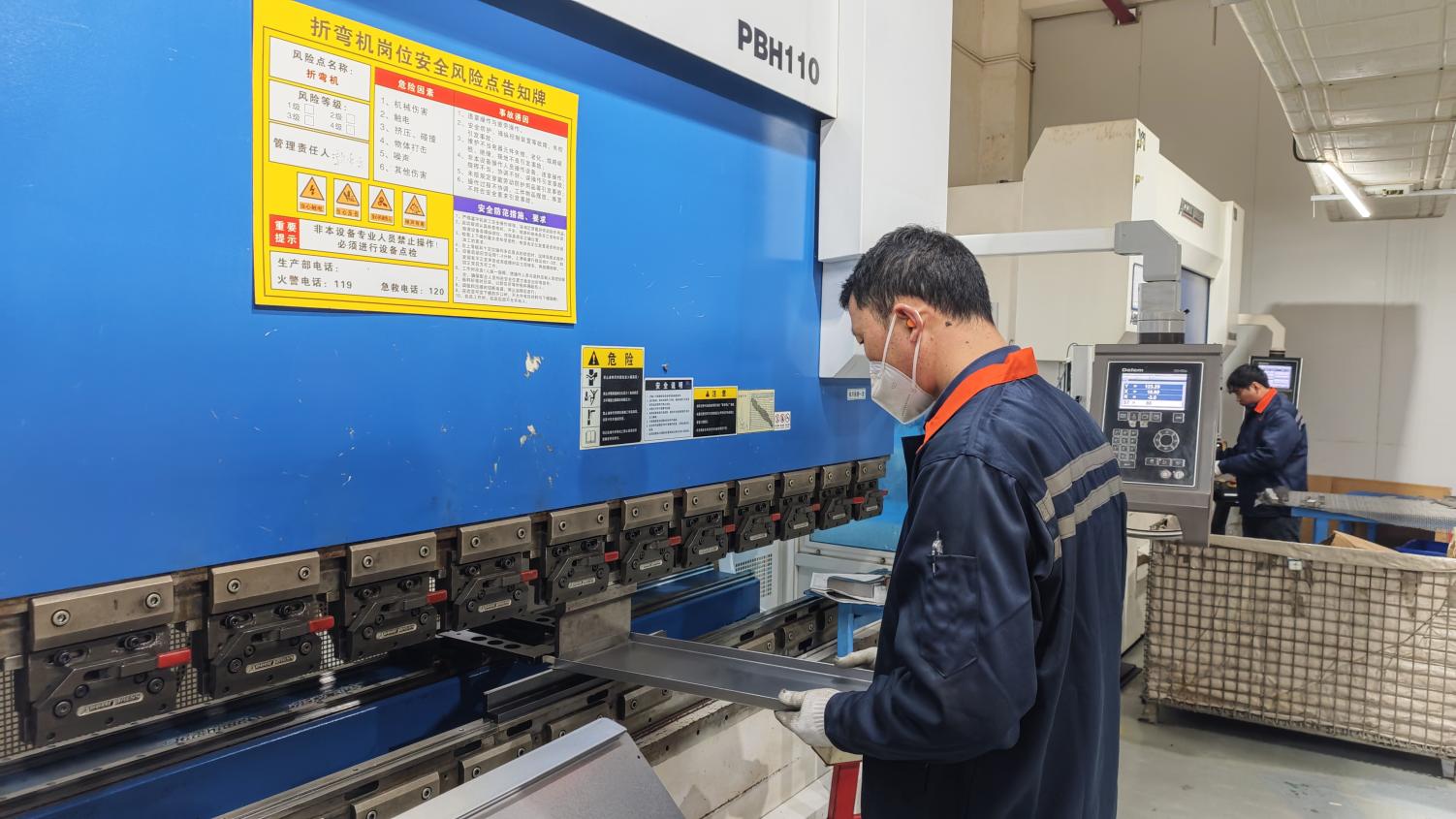
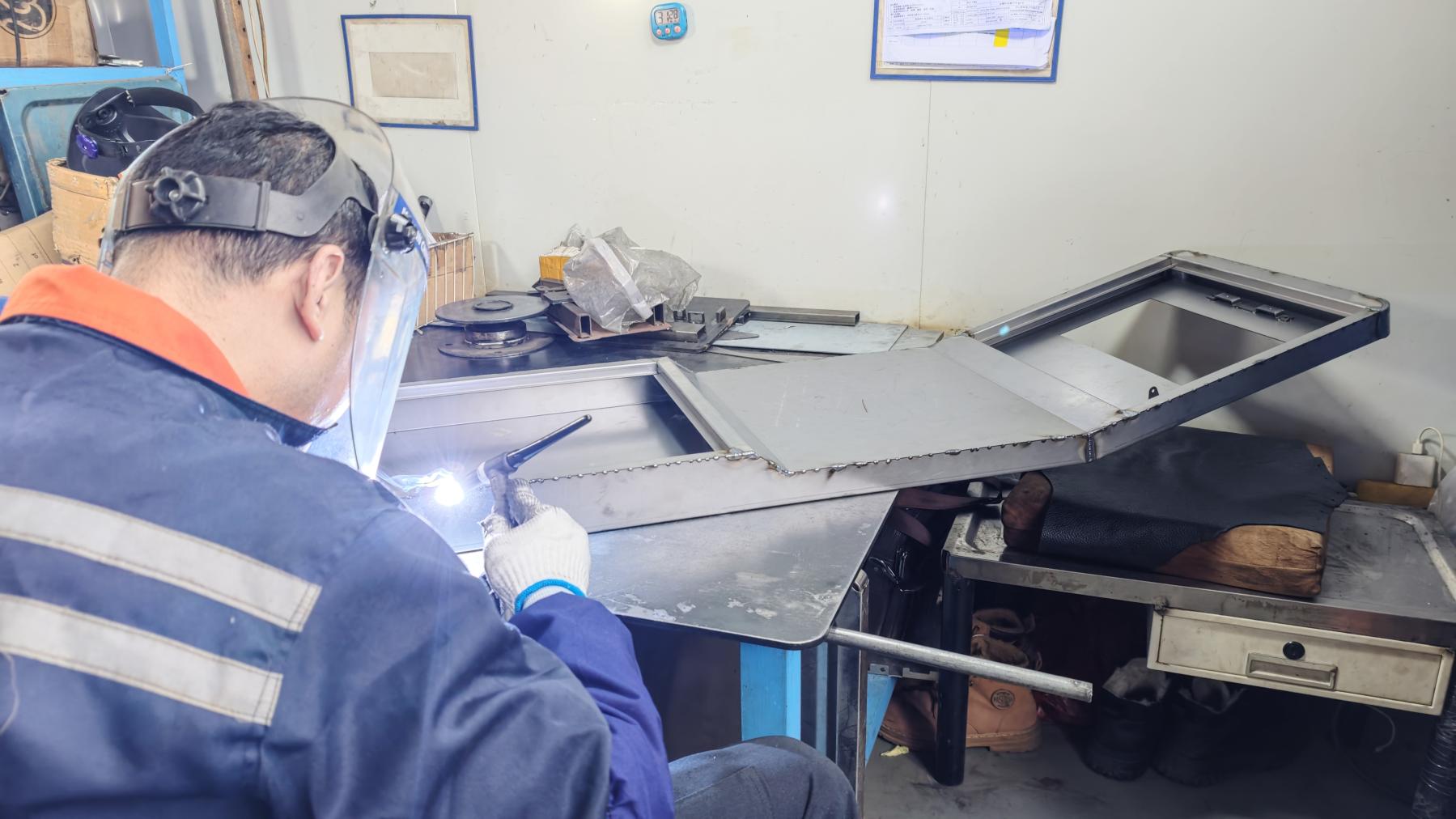
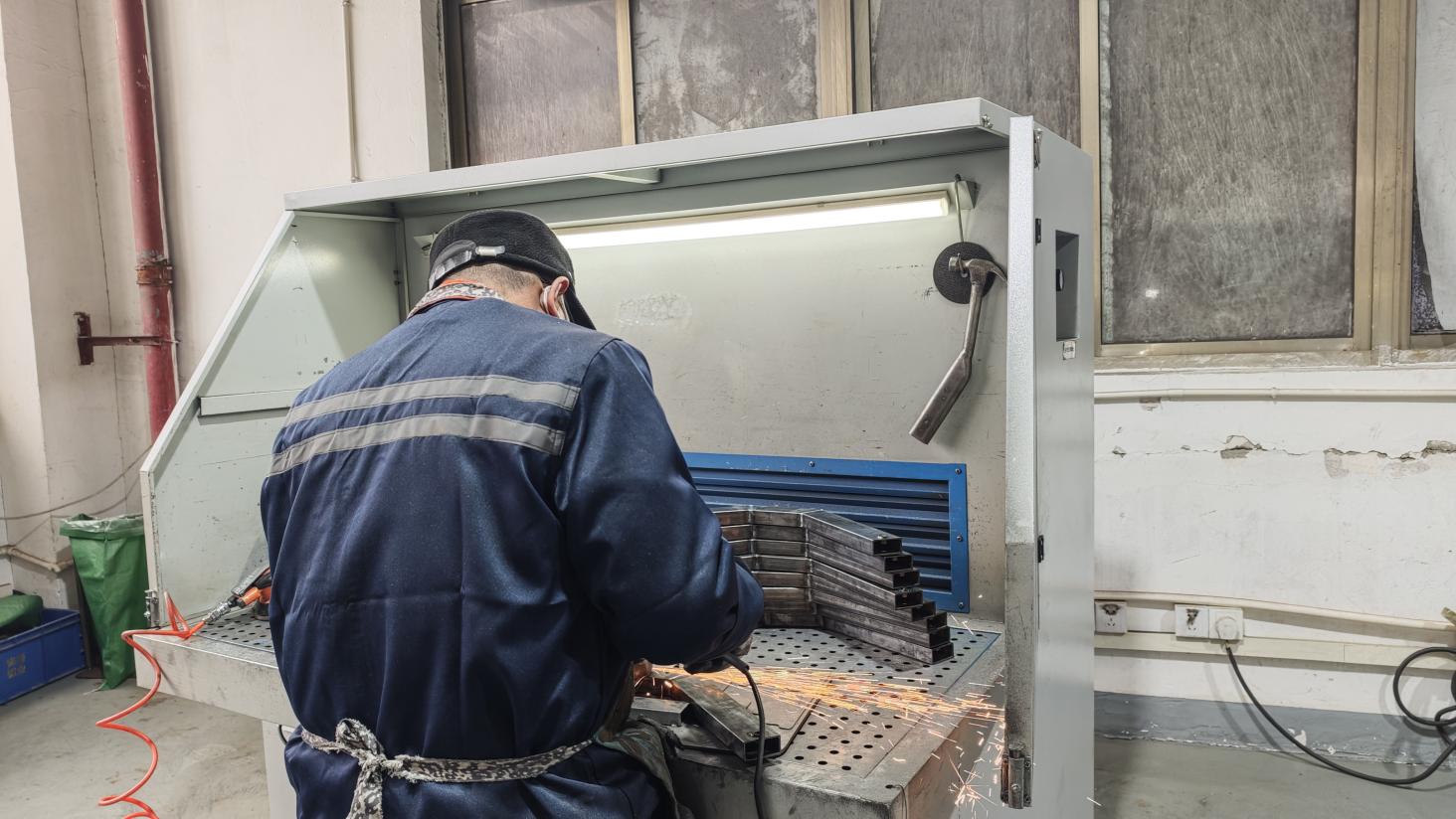
Final technical assembly validation, incorporating cable management arrays, load-bearing balancing, and mechanical stress tests to ensure perfect end-use structural integrity.
Next-generation innovations bridging mechanical stability with clinical digitization.
Integration of active silver-ion (Ag+) powder coating layers and advanced copper alloys on touchpoints to significantly disrupt microbial cellular structures, offering ongoing mitigation against healthcare-associated infections (HAIs) in high-risk zones.
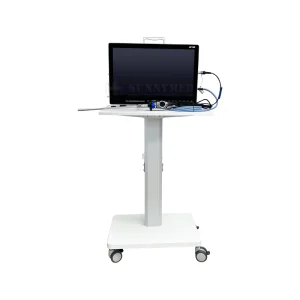
Preparing mobile IV stands and telemetry carts with unified mounting modules, central power distribution strips, and cabling conduits designed for next-generation smart infusion pumps, remote weight sensors, and hospital asset tracking transponders.
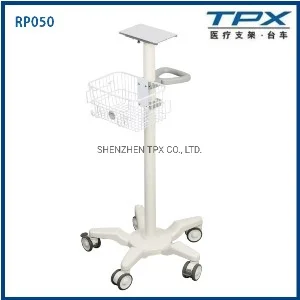
R&D application of low-center-of-gravity architectural shapes (cast iron weighted starbases) optimized to exceed the international 10-degree incline stability testing standards, preventing dynamic operational tips when transporting heavy medical hardware.
How our customizable solutions align with modern hospital workflows and clinical setups.
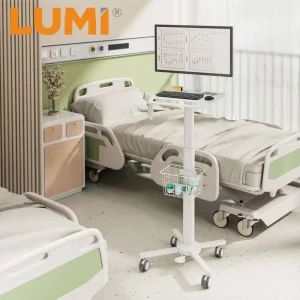
ICU spaces require crowded peripheral attachments. Our medical workstations and mobile roll stands feature modular accessory channels, permitting fast setup of physiological monitors, respiratory therapy lines, and multiple syringe pumps simultaneously.
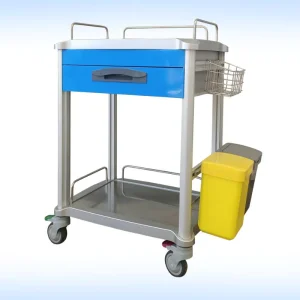
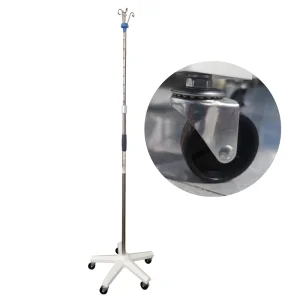
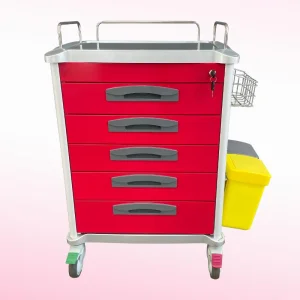
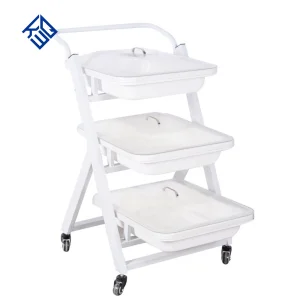
In high-pressure situations, physical speed dictates outcomes. The Avelar crash trolleys and IV support systems employ precision-engineered medical-grade mute casters that allow low-friction multidirectional movement across complex ward floorings.
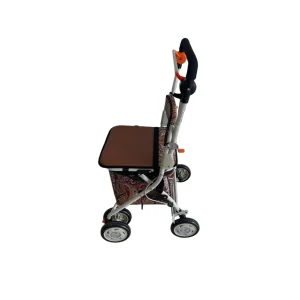
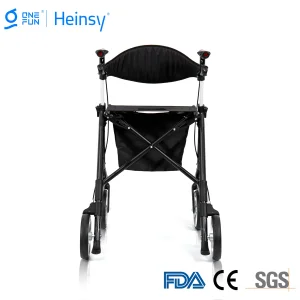
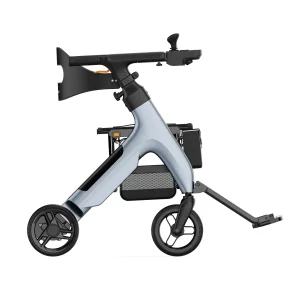
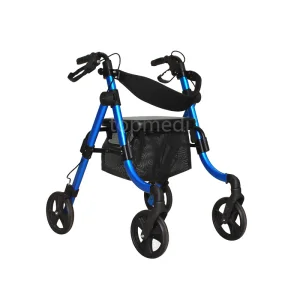
Our specialty rollators and mobile aids integrate physical therapy support structures with IV equipment mounts, allowing ambulatory patients to proceed with light mobility routines while receiving essential fluid treatments safely.
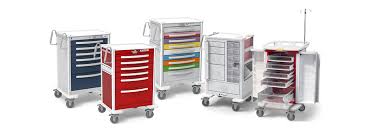
Avelar Medical leverages its strategic position in Shenzhen and Huizhou to optimize material sourcing, precision machining, and export logistics. By integrating advanced production assets, we provide global OEM/ODM partners with a distinct advantage in lead times, quality management, and cost-to-value performance.
Our manufacturing workflow follows structured stages. From Raw Material Selection to CNC Bending, Laser Cutting, Robotic Welding, and Automated Powder Coating, every single step is monitored by on-site QA inspectors. This level of oversight ensures that each IV pole, medical cart, and rollator is built to withstand the demands of 24/7 clinical use.
With an annual capacity of several hundred thousand physical units, we help OEM/ODM clients reduce logistics overhead, scale production quickly, and maintain stable stock levels even during global supply chain fluctuations.
Meeting global standards to ensure seamless distribution and clinical clearance.
Our facility runs under an active ISO 13485 quality system. Our products undergo rigorous biocompatibility, load-bearing, and chemical resistance tests to ensure safe operation in sterile environments.
We configure product structural specifications to match FDA registration protocols, CE MDR requirements, and UL electrical and load standards, facilitating smooth clearance for international distributors.
Through our established shipping networks, we provide flexible delivery terms (FOB, CIF, DDP) directly to global distribution hubs in North America, Europe, and the Asia-Pacific region.
A structured process from design consultation to volume production delivery.
We collaborate closely with your engineering team to define loading configurations, accessory arrays, materials (aluminum alloy, SUS304 stainless steel), and visual branding details.
Using high-precision laser cutters and CNC machines, we build working prototypes within 10-15 business days. These undergo rigorous load-stability and load-bearing verification.
Upon prototype approval, we transition to manufacturing in our Huizhou facility. We manage the entire assembly and quality assurance process, delivering ready-to-distribute components.
Key technical considerations for healthcare procurement teams.
For intensive care and sterile surgery rooms, SUS304 stainless steel is the industry standard due to its resistance to sanitizing chemicals and corrosion. High-strength aluminum alloys are ideal for lightweight, mobile mobile equipment where easy maneuverability is required.
Our engineering teams run Finite Element Analysis (FEA) to determine the center of gravity on all base configurations. By using heavy-duty cast iron starbases and placing weight at the lowest point of the frame, we ensure compliance with international 10-degree incline tip-resistance tests.
Yes. Our OEM/ODM service includes customizing mounting interfaces to fit standard VESA configurations or proprietary quick-release plates, ensuring compatibility with all major monitor brands.
For custom ODM modifications, design and prototype validation typically takes 3 to 4 weeks. Once the sample is approved, mass production runs are completed in 30 to 45 days, depending on order size and custom component requirements.
Durable mobile hardware designed for long-term clinical and diagnostic reliability.
 Avelar Medical